
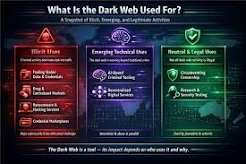
The dark web has long been surrounded by mystery, speculation, and sensational headlines. Hidden beneath layers of encryption and anonymous networks, it hosts a wide variety of websites ranging from privacy-focused forums to illegal marketplaces. Among the many names that have surfaced in discussions about underground platforms is ultimateshop, a marketplace that has gained attention for its alleged role in facilitating illicit activities.
Understanding how platforms like ultimateshop.ru operate provides valuable insight into the broader structure of dark web marketplaces, the technologies they rely on, and the challenges law enforcement agencies face in combating cybercrime.
What Is UltClub?
UltClub has been referenced as a dark web marketplace that allegedly enables users to buy and sell illegal digital goods and services. Like many similar platforms, it operates within anonymity-focused networks designed to conceal both user identities and server locations.
While every marketplace differs in size, features, and security practices, most follow similar operational models that prioritize privacy, decentralized communication, and encrypted transactions.
The Infrastructure Behind Dark Web Platforms
Unlike traditional websites accessible through standard browsers, dark web marketplaces typically operate using anonymous network technologies that mask the physical location of servers and users.
These networks route internet traffic through multiple encrypted layers, making it significantly more difficult to trace communications or identify hosting infrastructure. This level of anonymity is one of the defining characteristics that enables hidden services to remain online for extended periods.
User Registration and Identity Protection
Most underground marketplaces avoid collecting traditional personal information.
Instead of requesting names, email addresses, or phone numbers, users generally create anonymous usernames and strong passwords. Some platforms implement additional authentication methods such as recovery phrases or multi-factor verification to reduce the risk of unauthorized account access.
This approach is designed to minimize the amount of personally identifiable information stored on marketplace servers.
Cryptocurrency as the Primary Payment Method
Digital currencies play a central role in the operation of dark web marketplaces.
Cryptocurrencies provide a method of transferring funds without relying on traditional banking institutions. While blockchain transactions are publicly recorded, many users attempt to increase privacy through specialized privacy-focused cryptocurrencies, wallet management practices, or transaction obfuscation techniques.
Despite these efforts, blockchain analysis has become an increasingly important investigative tool for cybersecurity professionals and law enforcement agencies.
Marketplace Features
Platforms like UltClub often resemble conventional e-commerce websites in terms of functionality.
Common features may include:
- Product listings with descriptions
- Vendor profiles
- Customer reviews and ratings
- Search and filtering tools
- Escrow payment systems
- Dispute resolution mechanisms
- Internal messaging systems
These familiar interfaces are designed to create trust between anonymous buyers and sellers.
Vendor Reputation Systems
Trust is difficult to establish in anonymous environments.
To address this challenge, many marketplaces implement vendor reputation systems similar to those found on legitimate online shopping platforms. Buyers leave feedback based on previous transactions, allowing future customers to evaluate a seller’s reliability.
High-rated vendors often attract more customers, while poor reviews can significantly reduce a seller’s credibility.
Escrow Services
One of the defining features of many underground marketplaces is the use of escrow systems.
Instead of transferring payment directly to a seller, funds are temporarily held by the marketplace until the buyer confirms that a transaction has been completed. While escrow can reduce fraud between participants, it also introduces risks, including the possibility of marketplace operators controlling user funds.
Security Measures
Dark web marketplaces invest heavily in operational security.
Common security practices may include:
- End-to-end encrypted communications
- Protection against distributed denial-of-service (DDoS) attacks
- Frequent infrastructure changes
- Mirror websites to maintain availability
- Multi-signature wallet support
- Access restrictions for administrators
Even with these precautions, marketplaces remain vulnerable to technical failures, scams, and law enforcement operations.
Operational Challenges
Running an anonymous marketplace involves constant risk.
Operators face numerous challenges, including:
- Server seizures
- Financial tracking
- Insider threats
- Vendor fraud
- Exit scams
- Software vulnerabilities
- Distributed denial-of-service attacks
Many marketplaces disappear unexpectedly due to internal conflicts, security breaches, or coordinated international investigations.
Law Enforcement Investigations
Authorities around the world continue to dedicate significant resources to investigating dark web marketplaces.
Investigations often combine multiple techniques, including blockchain analysis, digital forensics, undercover operations, infrastructure identification, financial intelligence, and international cooperation. These efforts have resulted in the dismantling of numerous underground platforms over the past decade.
The evolving nature of cybercrime means that investigative methods continue to adapt alongside emerging technologies.
Lessons for Cybersecurity Professionals
Studying marketplaces like UltClub provides valuable lessons beyond their criminal context.
Cybersecurity researchers analyze these platforms to better understand:
- Anonymous communication technologies
- Cryptocurrency transaction patterns
- Social engineering tactics
- Operational security practices
- Digital identity management
- Threat actor behavior
These insights contribute to improved threat detection, incident response, and cyber defense strategies.
The Broader Picture
While platforms such as UltClub attract attention due to their alleged involvement in illicit activities, they also highlight the complex relationship between anonymity, privacy technologies, and cybercrime. The same technologies that protect journalists, activists, and individuals living under oppressive regimes can also be exploited for illegal purposes.
This dual-use nature presents an ongoing challenge for policymakers, technology providers, cybersecurity professionals, and law enforcement agencies seeking to balance privacy rights with public safety.
Conclusion
UltClub represents one example of how dark web marketplaces are structured and operated within anonymous online ecosystems. From encrypted infrastructure and cryptocurrency payments to reputation systems and escrow services, these platforms often mirror legitimate online marketplaces while functioning in environments designed to protect user anonymity.
Understanding their operational models helps researchers, cybersecurity professionals, and policymakers better assess the evolving landscape of online anonymity and digital crime. As technology continues to advance, so too will the methods used by both cybercriminals and those working to prevent and investigate cyber-enabled offenses.
