
Introduction
The digital economy has transformed the way people shop, bank, and conduct business online. While these advancements have created greater convenience, they have also opened the door to increasingly sophisticated forms of cybercrime. Among the many threats facing individuals and organizations today is the illegal trade of stolen payment information through underground marketplaces such as bclub and bclub.tk.
Cybercriminals rely on these illicit platforms to buy, sell, and distribute compromised financial data, enabling a wide range of fraudulent activities. Understanding how these operations work is essential for businesses, financial institutions, and consumers seeking to protect themselves from online financial crime.
What Is Bclub?
Bclub is widely known as an underground cybercrime marketplace allegedly associated with the trading of stolen payment card information and other compromised financial data. Rather than serving legitimate commerce, platforms like Bclub facilitate illegal transactions between cybercriminals looking to monetize stolen credentials.
The data traded on these marketplaces may include:
- Credit and debit card numbers
- Cardholder names
- Expiration dates
- CVV security codes
- Billing information
- Banking credentials
- Personal identification details
This information can be exploited for unauthorized purchases, identity theft, account takeovers, and other forms of financial fraud.
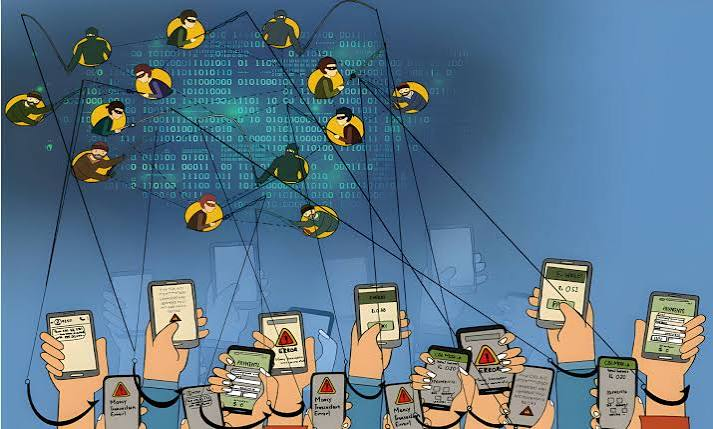
How Stolen Payment Data Is Obtained
Cybercriminals use numerous methods to steal financial information before listing it on underground marketplaces.
Phishing Attacks
Fraudulent emails, text messages, and fake websites trick victims into revealing sensitive financial information by impersonating trusted organizations.
Malware
Banking trojans, spyware, and keyloggers infect computers and mobile devices, silently capturing login credentials and payment information.
Data Breaches
Hackers target businesses, retailers, and payment processors to gain unauthorized access to customer databases containing payment records.
Card Skimming
Physical skimming devices placed on ATMs and payment terminals can capture payment card information during legitimate transactions.
Credential Theft
Passwords stolen through credential stuffing, brute-force attacks, or leaked databases may provide access to financial accounts containing payment information.
How Underground Marketplaces Operate
Unlike legitimate e-commerce websites, underground marketplaces function anonymously through encrypted communication, cryptocurrency payments, and hidden online services.
Typically, the process follows these steps:
- Cybercriminals steal payment data.
- The stolen information is categorized based on quality and region.
- Buyers purchase compromised records using cryptocurrency.
- The data is used for fraudulent purchases, money laundering, or identity theft.
- Criminal groups profit while victims and financial institutions suffer financial losses.
These marketplaces often include reputation systems, customer support, and escrow services designed to increase trust among criminals despite the illegal nature of their activities.
The Financial Impact
The illegal trade of stolen payment information has significant consequences across the global economy.
Consumers
Victims may experience:
- Unauthorized transactions
- Frozen bank accounts
- Damaged credit scores
- Identity theft
- Lengthy fraud investigations
Businesses
Organizations affected by payment fraud may face:
- Chargeback losses
- Regulatory penalties
- Incident response costs
- Customer compensation
- Reputational damage
Financial Institutions
Banks and payment providers invest substantial resources in:
- Fraud detection systems
- Card replacement programs
- Security monitoring
- Customer reimbursement
- Compliance with financial regulations
Collectively, these costs amount to billions of dollars annually, highlighting the widespread impact of financial cybercrime.
Why Stolen Payment Data Remains Valuable
Stolen financial information continues to be attractive to cybercriminals because it can be quickly converted into profit.
Common criminal objectives include:
- Making unauthorized online purchases
- Conducting account takeovers
- Selling financial information to other criminals
- Creating counterfeit payment cards
- Facilitating identity theft
- Supporting larger fraud operations
As long as stolen payment information retains financial value, underground marketplaces will continue attempting to profit from it.
How Organizations Can Reduce Risk
Businesses play an important role in preventing payment data theft through stronger cybersecurity practices.
Recommended security measures include:
- Encrypting sensitive payment information
- Implementing multi-factor authentication
- Performing regular security audits
- Maintaining timely software updates
- Monitoring network activity for suspicious behavior
- Training employees to recognize phishing attempts
- Limiting access to sensitive customer information
Organizations should also develop incident response plans to minimize damage if a security breach occurs.
How Individuals Can Protect Themselves
Consumers can significantly reduce their risk by following basic cybersecurity practices.
Helpful recommendations include:
- Monitor bank and credit card statements regularly.
- Enable transaction alerts whenever available.
- Use strong, unique passwords for financial accounts.
- Enable multi-factor authentication.
- Avoid entering payment information on suspicious websites.
- Keep devices and applications updated.
- Be cautious of unsolicited emails requesting financial information.
- Report unauthorized transactions immediately to your financial institution.
Proactive monitoring can often detect fraudulent activity before substantial financial losses occur.
The Ongoing Fight Against Financial Cybercrime
Law enforcement agencies, cybersecurity companies, financial institutions, and technology providers continue working together to disrupt illegal marketplaces involved in financial fraud. Their efforts include identifying criminal networks, seizing infrastructure, improving fraud detection systems, and strengthening international cooperation against cybercrime.
At the same time, organizations continue investing in advanced security technologies such as artificial intelligence, behavioral analytics, tokenization, and real-time fraud monitoring to better protect payment systems.
Although cybercriminals constantly adapt their methods, continued collaboration between the public and private sectors remains one of the strongest defenses against online financial crime.
Conclusion
The existence of underground marketplaces such as Bclub demonstrates how stolen payment information fuels a broader ecosystem of online financial crime. Through phishing, malware, data breaches, and other criminal tactics, attackers obtain valuable financial data that can be exploited for fraud, identity theft, and unauthorized transactions.
Reducing the impact of these threats requires a shared commitment to cybersecurity. Businesses must implement strong security controls, financial institutions must continue enhancing fraud detection capabilities, and consumers should remain vigilant in protecting their personal and financial information. By understanding how these criminal ecosystems operate and adopting effective security practices, individuals and organizations can better defend themselves against the growing risks of financial cybercrime.
