
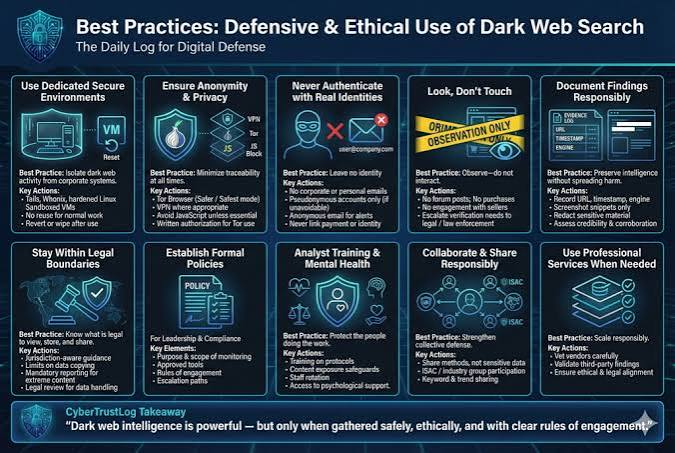
The internet has changed dramatically over the past several decades. From the early days of basic websites to today’s highly connected digital ecosystem, online platforms have continued to evolve. Alongside this development, however, a hidden side of the internet has also grown: the dark web.
The evolution of platforms associated with names such as ultimate shop and ultclub reflects broader discussions about underground online marketplaces, cybersecurity, privacy, and the challenges faced by users and law-enforcement agencies. Understanding these developments is important because dark web activity can create risks that extend beyond hidden online communities and affect ordinary internet users.
Understanding the Dark Web
The dark web refers to parts of the internet that are not accessible through standard search engines and typically require specialized software or configurations to access.
It is important to understand that the dark web is not automatically illegal. Like other parts of the internet, it can be used for legitimate purposes, including privacy-focused communication and research. However, its anonymity features have also made it attractive to individuals involved in illegal activities.
This combination of privacy, anonymity, and limited visibility creates significant challenges for cybersecurity professionals and authorities.
The Evolution of Underground Online Marketplaces
Early underground online communities were often relatively small and technically limited. Over time, however, some platforms became more organized and developed systems that resembled legitimate e-commerce websites.
These platforms may have included:
- User accounts
- Search functions
- Seller profiles
- Reviews and ratings
- Messaging systems
- Payment mechanisms
This evolution demonstrated how online criminal ecosystems could adopt familiar digital technologies. The same tools that make legitimate online commerce convenient can also be misused for harmful or illegal activities.
Platforms associated with names such as Ultimate Shop have therefore become part of broader discussions about how underground marketplaces evolve and adapt to changing security conditions.
Why Dark Web Platforms Create Cybersecurity Risks
The risks associated with dark web marketplaces extend beyond the individuals who directly use them.
Underground platforms may contribute to the distribution of:
- Stolen credentials
- Personal information
- Financial data
- Hacking tools
- Malware
- Fraud-related services
When stolen information is traded or reused, the effects can reach people who have never visited the dark web.
For example, compromised credentials may later be used to attempt unauthorized access to email, financial, or social media accounts.
The Growing Threat of Stolen Personal Data
One of the most serious digital safety concerns is the trade and misuse of personal information.
Data obtained through breaches, phishing campaigns, malware, or other methods may be used for various criminal purposes. This can include account takeovers, identity theft, fraud, and targeted phishing.
The growing value of personal information demonstrates why users should take basic security precautions seriously.
Even seemingly ordinary information can become valuable when combined with data from other sources.
How Cybercriminals Adapt to Security Measures
Cybersecurity is an ongoing contest between attackers and defenders. As security systems improve, criminals often adapt their methods.
Threat actors may attempt to exploit:
- Weak passwords
- Unpatched software
- Poorly secured accounts
- Social engineering
- Stolen authentication credentials
- Vulnerable online services
This constant evolution means that security practices must also improve over time.
A password that was considered strong years ago may no longer provide sufficient protection today, particularly if it has been reused or exposed in a previous breach.
The Importance of Digital Safety
The evolution of underground online platforms highlights the importance of everyday cybersecurity habits.
Users should consider adopting several basic practices.
Use Unique Passwords
Every important account should have a unique password. This reduces the risk that one compromised account will lead to multiple account takeovers.
A password manager can help users create and store complex credentials.
Enable Multi-Factor Authentication
Multi-factor authentication adds an additional security layer beyond a password. It can make unauthorized access more difficult when login credentials have been exposed.
Users should enable this feature whenever it is available.
Keep Devices and Software Updated
Software updates often include security fixes. Delaying updates can leave devices vulnerable to known weaknesses.
Operating systems, browsers, applications, and security tools should be kept current.
Be Careful With Personal Information
Users should avoid sharing unnecessary personal information online. Details such as email addresses, phone numbers, account credentials, and identity information should be handled carefully.
The less unnecessary information users expose, the less data may be available for misuse.
The Role of Cryptocurrency and Digital Payments
Digital payment technologies have also influenced the development of online marketplaces. Some underground platforms have used cryptocurrency because of its digital nature and ability to facilitate transactions across borders.
However, cryptocurrency does not automatically guarantee anonymity or complete privacy. Transactions may leave records, and investigations can use various technical and legal methods to trace activity.
The evolution of digital payments demonstrates how financial technology can have both legitimate and harmful applications.
Law Enforcement and Cybersecurity Challenges
Dark web activity presents unique challenges for authorities. The international nature of online networks, the use of anonymity tools, and the ability of platforms to move between different infrastructures can complicate investigations.
When one marketplace disappears, similar services may sometimes attempt to replace it. This creates an ongoing cycle in which platforms emerge, adapt, and sometimes disappear.
Cybersecurity companies and law-enforcement agencies therefore rely on a combination of technical research, intelligence gathering, digital forensics, and international cooperation.
The Impact on Ordinary Internet Users
It may be tempting to think that dark web activity affects only people who intentionally visit hidden online marketplaces. In reality, the consequences can reach a much wider audience.
Ordinary users may be affected when:
- Their credentials are stolen
- Their personal information is exposed
- Their accounts are targeted
- Their payment information is compromised
- Their devices become infected with malware
This is why digital safety should not be viewed as a niche concern. The security of everyday users is connected to the broader cybersecurity environment.
Why Awareness Is Important
One of the most effective defenses against cyber threats is awareness.
Users who understand common risks are more likely to:
- Recognize phishing attempts
- Avoid suspicious downloads
- Use stronger passwords
- Secure their accounts
- Respond quickly to security warnings
Awareness cannot eliminate every risk, but it can significantly reduce the likelihood of common security mistakes.
The Future of Digital Safety
As technology continues to evolve, cyber threats will also change. Artificial intelligence, automation, encrypted communication, cryptocurrency, and new online platforms may create both new opportunities and new challenges.
The future of cybersecurity will require cooperation between technology companies, security researchers, governments, and individual users.
Security systems must continue to improve, while users must remain willing to update their habits and learn about emerging threats.
Final Thoughts
The evolution of Ultimate Shop and similar names associated with underground online marketplaces reflects a much larger story about the changing digital environment. The dark web has evolved alongside the broader internet, adopting technologies and systems that can create serious cybersecurity challenges.
The most important lesson for ordinary users is that digital threats do not remain confined to hidden parts of the internet. Stolen data, compromised credentials, phishing campaigns, and malware can eventually affect people and organizations across the wider online world.
Protecting personal information requires ongoing awareness. Using unique passwords, enabling multi-factor authentication, updating software, avoiding suspicious links, and limiting unnecessary data sharing are practical steps that can improve digital security.
As the online world continues to evolve, understanding emerging threats will be essential. Digital safety is no longer simply a technical concern. It is an everyday responsibility for anyone who uses the internet.
