
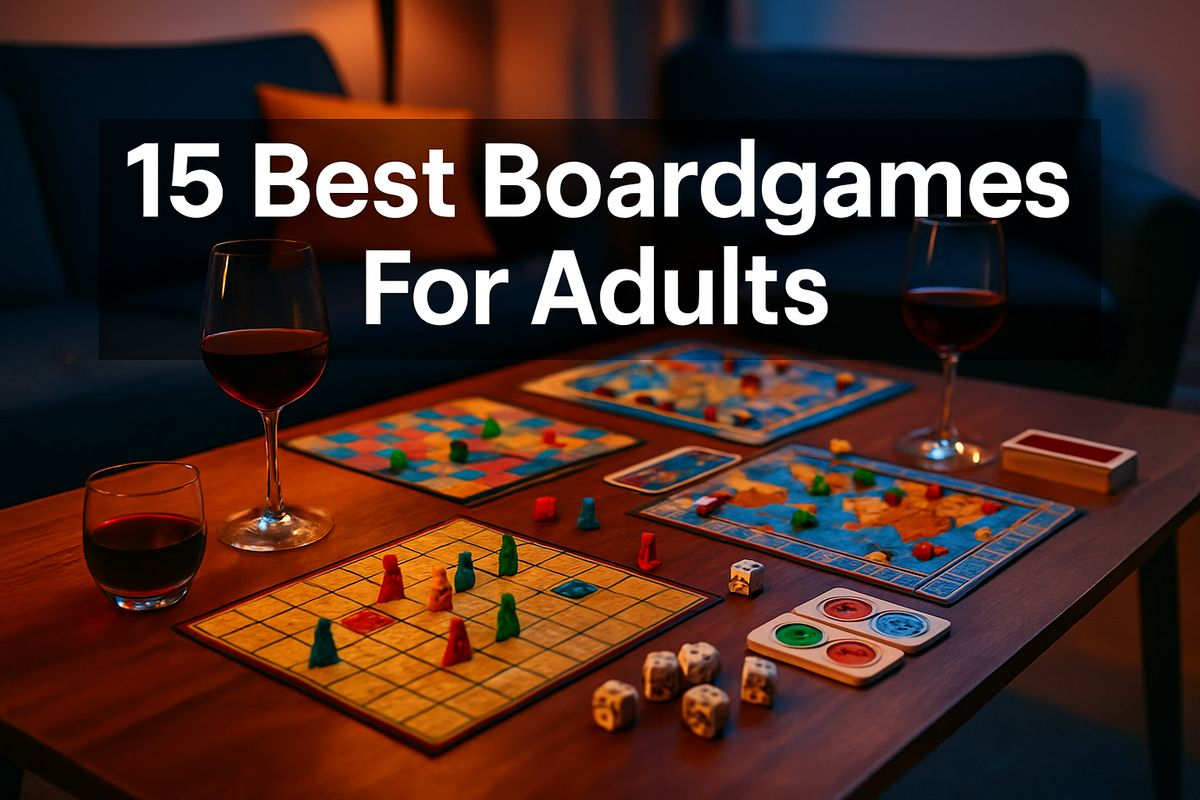
Introduction
Classic tabletop games have been a part of human culture for hundreds of years. From family living rooms to friendly gatherings, these games bring people together in a simple yet meaningful way. Even in today’s digital world, classic tabletop games continue to attract players of all ages. They are easy to learn, fun to play, and perfect for spending quality time with friends and family.
Many people think tabletop games are old-fashioned. However, the truth is very different. Classic tabletop games like Chess, Checkers, Monopoly, Scrabble, and Backgammon still remain popular because they challenge the mind and encourage social interaction. They are not just games; they are tools for learning, bonding, and improving strategic thinking.
In this guide, you will learn everything about classic tabletop games. We will explore what they are, why they matter, how to play them step by step, their benefits, possible disadvantages, common mistakes, and expert tips. Whether you are a beginner or someone looking to improve, this complete guide will help you understand and enjoy classic tabletop games more confidently.
What is Classic Tabletop Games?

Classic tabletop games are traditional games played on a table using boards, cards, dice, or physical pieces. These games do not require electronic devices. Instead, they focus on face-to-face interaction and physical gameplay.
Some well-known classic tabletop games include:
- Chess
- Checkers
- Monopoly
- Scrabble
- Backgammon
- Ludo
- Risk
These games usually involve strategy, luck, or a mix of both. For example, Chess is mostly about strategy and planning. On the other hand, Monopoly combines strategy with luck through dice rolls.
Classic tabletop games are often passed down through generations. Because of this, they hold cultural and historical value. Many families have traditions centered around these games during holidays or weekends.
Simply put, classic tabletop games are timeless entertainment options that encourage thinking, communication, and healthy competition.
Why is Classic Tabletop Games Important?

Classic tabletop games are more important than many people realize. They offer more than just fun.
First, they help improve mental skills. Games like Chess and Scrabble enhance memory, concentration, and vocabulary. Players learn to plan ahead and think carefully before making decisions.
Second, classic tabletop games promote social interaction. In a world dominated by screens, sitting together at a table creates real connections. Conversations, laughter, and teamwork naturally happen during gameplay.
Third, they teach valuable life lessons. Players learn patience, sportsmanship, and problem-solving. Losing a game teaches humility, while winning builds confidence.
Moreover, these games are accessible. You do not need internet access or expensive equipment. A simple board and a few pieces are enough.
Because of these reasons, classic tabletop games continue to remain relevant in modern society.
Detailed Step-by-Step Guide
Step 1: Choose the Right Game
Start by selecting a game that suits your group.
- For strategy lovers: Chess or Risk
- For word enthusiasts: Scrabble
- For family fun: Monopoly or Ludo
- For quick games: Checkers
Consider the number of players and time available.
Step 2: Learn the Rules
Before starting, carefully read the rulebook. Every classic tabletop game has specific rules.
You can:
- Read the manual.
- Watch a demonstration.
- Ask an experienced player.
Understanding the rules prevents confusion later.
Step 3: Set Up the Game
Each game has a setup process.
For example:
- In Chess, arrange pieces in specific positions.
- In Monopoly, place properties around the board and give players starting money.
- In Scrabble, shuffle letter tiles and distribute them equally.
Make sure all players understand the setup.
Step 4: Understand the Objective
Every game has a goal.
- Chess: Checkmate the opponent’s king.
- Monopoly: Become the richest player.
- Scrabble: Score the highest points with words.
- Checkers: Capture all opponent pieces.
Knowing the objective keeps the game focused and enjoyable.
Step 5: Take Turns Fairly
Classic tabletop games usually follow a turn-based system. Players move one at a time.
Be patient and respect others’ turns. This creates a smooth and fair experience.
Step 6: Apply Strategy
Think before making a move. Ask yourself:
- What will happen next?
- How can I improve my position?
- What might my opponent do?
Strategic thinking is key in most classic tabletop games.
Step 7: Follow Game Etiquette
Good behavior is important.
- Avoid cheating.
- Do not distract others.
- Accept wins and losses gracefully.
Respect makes the experience better for everyone.
Step 8: Review and Improve
After the game, discuss what went well.
Ask:
- What strategy worked?
- What mistakes were made?
- How can I improve next time?
Learning from experience helps you grow as a player.
Benefits of Classic Tabletop Games
Classic tabletop games offer many advantages:
- Improve critical thinking and decision-making
- Enhance memory and concentration
- Strengthen communication skills
- Encourage teamwork
- Reduce stress and anxiety
- Build patience and discipline
- Create bonding opportunities
- Boost vocabulary in word-based games
- Increase strategic planning ability
- Provide affordable entertainment
Because of these benefits, many schools and families encourage playing classic tabletop games regularly.
Disadvantages / Risks
Although classic tabletop games are beneficial, there are some potential drawbacks:
- Games can sometimes cause arguments
- Competitive players may feel frustration
- Some games take a long time to finish
- Complex rules may confuse beginners
- Limited physical activity
- Pieces can get lost easily
- Younger children may struggle with advanced strategies
However, most of these issues can be solved with good communication and proper game selection.
Common Mistakes to Avoid
Many beginners make simple mistakes when playing classic tabletop games.
First, not reading the rules properly. This often leads to confusion and disputes.
Second, focusing only on winning. Remember, the main goal is to enjoy the experience.
Third, ignoring strategy. Random moves rarely lead to success in strategy-based games.
Fourth, playing without planning. For example, in Monopoly, buying every property without thinking can lead to financial problems.
Fifth, losing patience. Some classic tabletop games require time and focus.
Lastly, not adapting to opponents. Each player has a different style. Observing others helps you adjust your strategy.
Avoiding these mistakes will improve your overall gaming experience.
FAQs
1. What are the most popular classic tabletop games?
Some of the most popular classic tabletop games include Chess, Monopoly, Scrabble, Checkers, Backgammon, Risk, and Ludo. These games have been played for generations and remain widely enjoyed worldwide.
2. Are classic tabletop games good for children?
Yes, they are excellent for children. They help improve thinking skills, memory, vocabulary, and social behavior. However, choose age-appropriate games to avoid frustration.
3. Do classic tabletop games require special skills?
Not necessarily. Many classic tabletop games are easy to learn. While strategy improves with experience, beginners can quickly understand the basics and enjoy playing.
4. How long does a typical tabletop game last?
It depends on the game. A Checkers match may take 20–30 minutes, while Monopoly or Risk can last several hours. Choose a game based on available time.
5. Can classic tabletop games improve brain health?
Yes. Strategy-based games like Chess stimulate the brain and improve concentration and memory. Regular gameplay can support mental sharpness.
6. Are classic tabletop games better than digital games?
Both have advantages. However, classic tabletop games encourage face-to-face interaction and reduce screen time. They create a more personal and engaging experience.
7. How can beginners improve quickly?
Practice regularly, learn from experienced players, study strategies, and analyze past games. Over time, skills naturally improve.
Expert Tips & Bonus Points
If you want to become better at classic tabletop games, consider these expert tips:
- Start with simpler games before moving to complex ones.
- Observe experienced players and learn from their moves.
- Practice consistently, even short sessions help.
- Focus on understanding patterns and strategies.
- Stay calm under pressure.
- Think ahead rather than reacting only to the present move.
- Keep your game pieces organized to avoid confusion.
- Rotate games regularly to keep the experience fresh.
Additionally, hosting a weekly game night can make classic tabletop games a regular and enjoyable habit. This creates routine bonding time and improves skills naturally.
Conclusion
Classic tabletop games have stood the test of time for a reason. They offer a perfect balance of fun, strategy, learning, and social interaction. Whether you are playing Chess to challenge your mind, Monopoly to enjoy friendly competition, or Scrabble to improve vocabulary, these games provide lasting value.
In today’s fast-paced digital world, taking time to sit around a table and play classic tabletop games can feel refreshing. They bring people closer, encourage meaningful conversations, and create memories that last for years. Unlike many modern distractions, these games require attention, patience, and real human connection.
While there may be small disadvantages, the benefits far outweigh them. With proper understanding of rules, good sportsmanship, and strategic thinking, anyone can enjoy and improve at classic tabletop games.
If you are new to this world, start simple and practice regularly. Over time, you will not only become a better player but also discover the deeper joy these timeless games offer. Classic tabletop games are more than entertainment—they are a tradition worth keeping alive for future generations.
